I can't believe I'm saying this, but the future of the Android operating system probably is beyond apps. Google's setting the blueprint for it now.

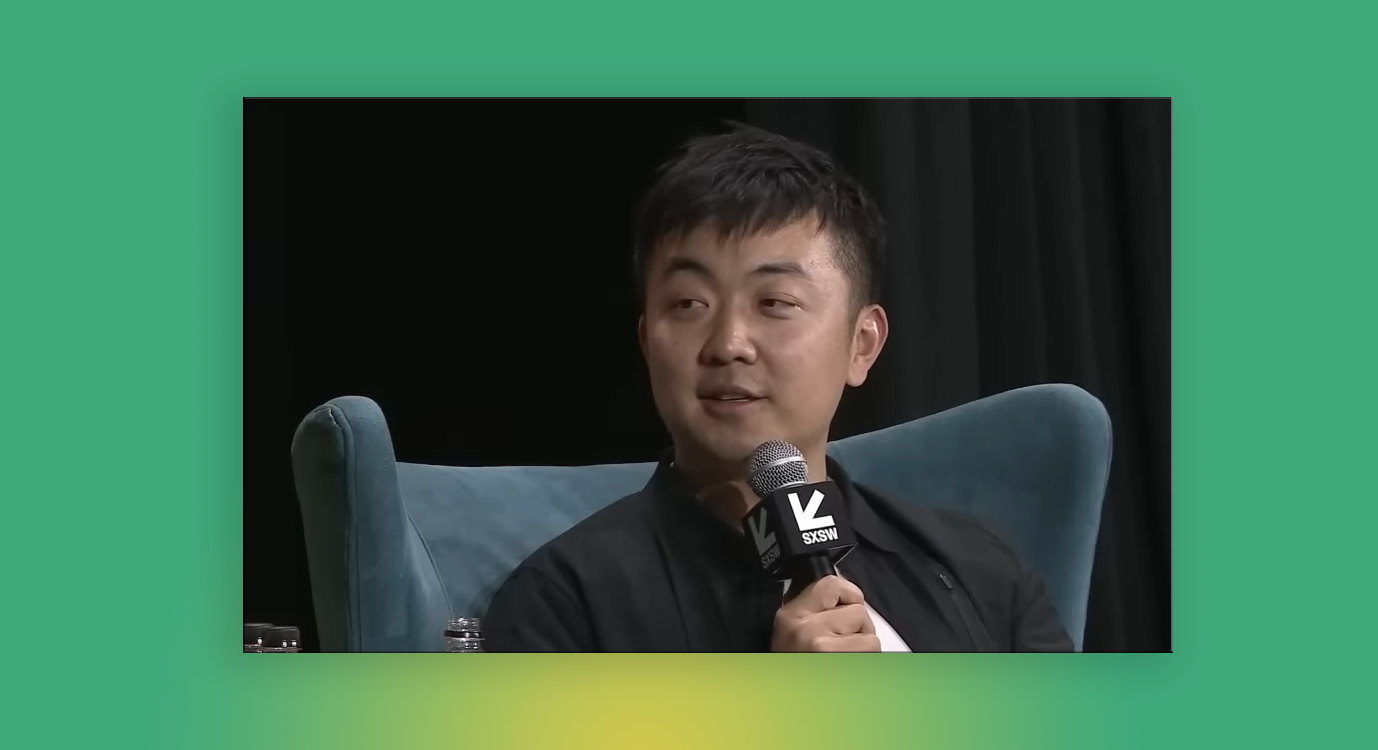
Last week at SXSW, which I didn't particularly pay mind to like I would have in years past, Nothing's CEO, Carl Pei, declared in a widely publicized interview that apps would eventually disappear to make way for agentic AI. "I think people should understand apps are going to disappear." He later added that, "the future is not the agent using a human interface. You need to create an interface for the agent to use."
As much as it pains me to admit, for reasons that I will not get into, Pei is right. He insisted that developers create an interface for agentic AI rather than the old finger-based one, since multitasking won't involve swiping or panning. The mobile world as we know it is slowly evolving toward a future where standalone apps are no longer siloed experiences, but rather "plugs" we set up to guide AI in the background.
If you look back at Android's development over the last year and a half, you'll see exactly what Pei is talking about. Aluminium, the upcoming Android and Chrome OS merger, is a framework for Google's vision in all this. Unlike classic Android, which was built back in the heydays of smartphones, when operating systems revolved around a grid of icons, Aluminium is already positioned as an OS with AI at its core. The idea is that the agent won't just be a chatbot you call on, but a layer that facilitates your computing experience across the ecosystem.
Pei argued that AI needs to be able to "get the coffee" without all the same rigamarole it takes to tap through and set it up yourself. That's exactly what Google is working toward. We already know that Aluminium OS will have an AI-native stack, with Gemini as the main interface. It's easy to see how that will translate over to the mobile experience. You can already see it in the bones of the Galaxy S26 Ultra and the March 2026 Pixel Drop with Gemini's app automation feature, as well as in various API and beta teardowns circulating the blogs. The existence of Android 17's Handoff APIs points the way to a future where you can delegate a task to a digital entity rather than tap into the app to do it yourself. We're even seeing the emergence of the Model Context Protocol (MCP)—Pei mentioned it in his talk at SXSW—which allows apps to strip away the UI and provide the agent with only the core ability as a clean stream of data. Computers don't need buttons, after all.
As I look back on 15 years covering mobile platforms and the world of Android, I'm coming to terms with the fact that what was once very familiar—pushing my finger against a screen—will soon be a thing of the past. I recognize that I could resist it, or I could, for lack of a better metaphor, figure out a way to wrangle it before I get tangled up in it. That's why I've been using Gemini quite actively. I use it to prioritize and plan my day's tasks; to help me plan what the weekends will look like so I'm not feeling scrambled; and to help me understand the changes happening to the Android platform. Regardless of how helpful it's been, I'm not immune to how easy it is to fall into the habit of total AI delegation.
If the agent is handling the groceries, the weekend logistics, and helping me parse what's happening across developer forums, am I still an active participant in my own life? What does that mean in the broader context? If my intention is to be a parent who isn't missing those essential emails from the teacher so that my kid doesn't feel like I'm checked out on her life, is it okay that I used Gemini to do that since I can't get help managing my life otherwise? Is there a difference between that and what Inbox, the standalone app, would have done over ten years ago by resurfacing an important email from the teacher and reminding me to reply?
As I prepare for the onslaught of change coming to our platform of choice over the next decade, I'm realizing the most important part will be balancing my intentions for using agentic AI without completely relegating my life to it. Even if it is the path of least resistance.
Let's tend to the Android garden now that spring has arrived! Join Jason, Ron, and me on this week's episode.
Be a doll and check out Android Faithful's three-part Galaxy S26 Ultra review: