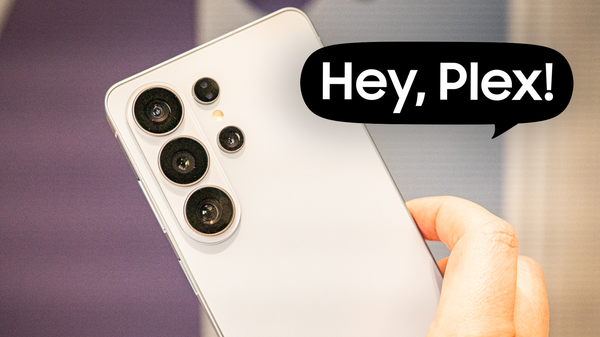
CES 2026 was cool, but only in the brief moments when AI wasn't sucking up all the air.

Getting back into the groove this week has been a challenge. Skipping the physical trip to Las Vegas for CES meant I missed the full immersion in trade show reality. In the past, I've had to put other things on hold until I'm done using my brain to cover the annual techy dog-and-pony show. This week, I genuinely struggled to remember that there was a massive trade show happening in a nearby state.
We did our best despite everything. Jason filled in some of the blanks for us directly from the show floor via expertly recorded video. The rest of us tuned in through social media, news roundups, and RSS feeds. Still, the dopamine fix remained low as we realized the main selling point of most of what was on display was artificial intelligence.
It's not new. The past ten years have felt like a constant ping-pong between companies and consumers over how much AI to offer. For a while, CES seemed largely focused on advancements in component technology, such as faster processors, video cards, and new networking protocols. That's been quickly overrun in the last four years, with AI popping up in every hands-on headline.
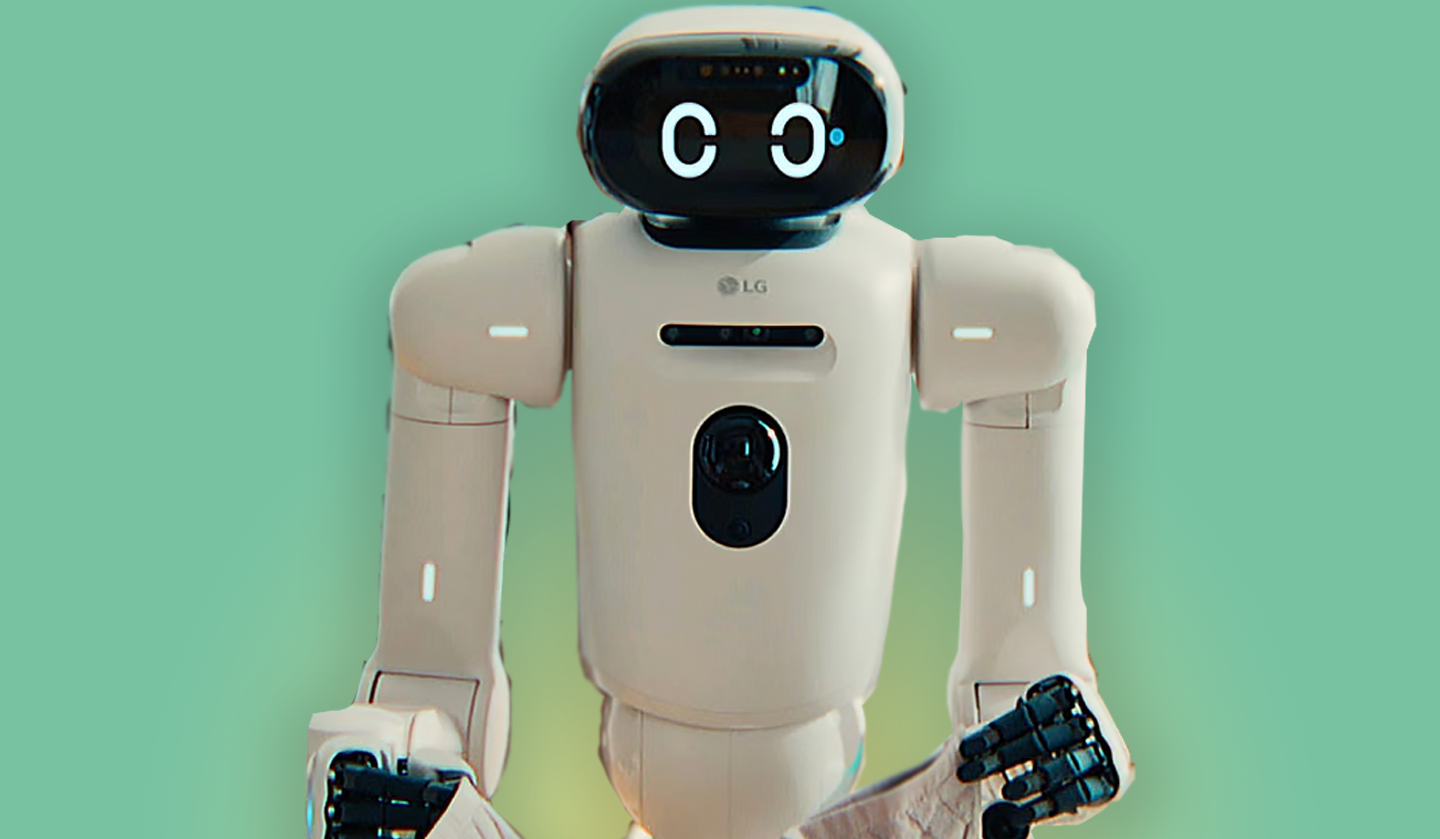
Robots have always been at CES, too. The difference this time is that these robots are no longer just cheeky demonstrations by startups strutting their feathers to secure additional funding. They aren't just sideshows trying to make it big from a cheap booth at one of the trade show's nightly mixers.
None of this technology is where it needs to be right now to be as useful and as convincing as the demonstrations make it seem. Some of the robots shown off couldn't even stand up. While CES 2026 had some quiet bangers—LEGO smart bricks, Wi-Fi 8 devices, solid-state batteries, and full PCs stuffed inside keyboards—they were drowned out by the screeching static of AI's prevalence. It feels like a dark note to start the year. It's a tune we're all being forced to hum.