The rest of the lineup also gets camera upgrades, faster wireless charging, and new Galaxy AI tricks.

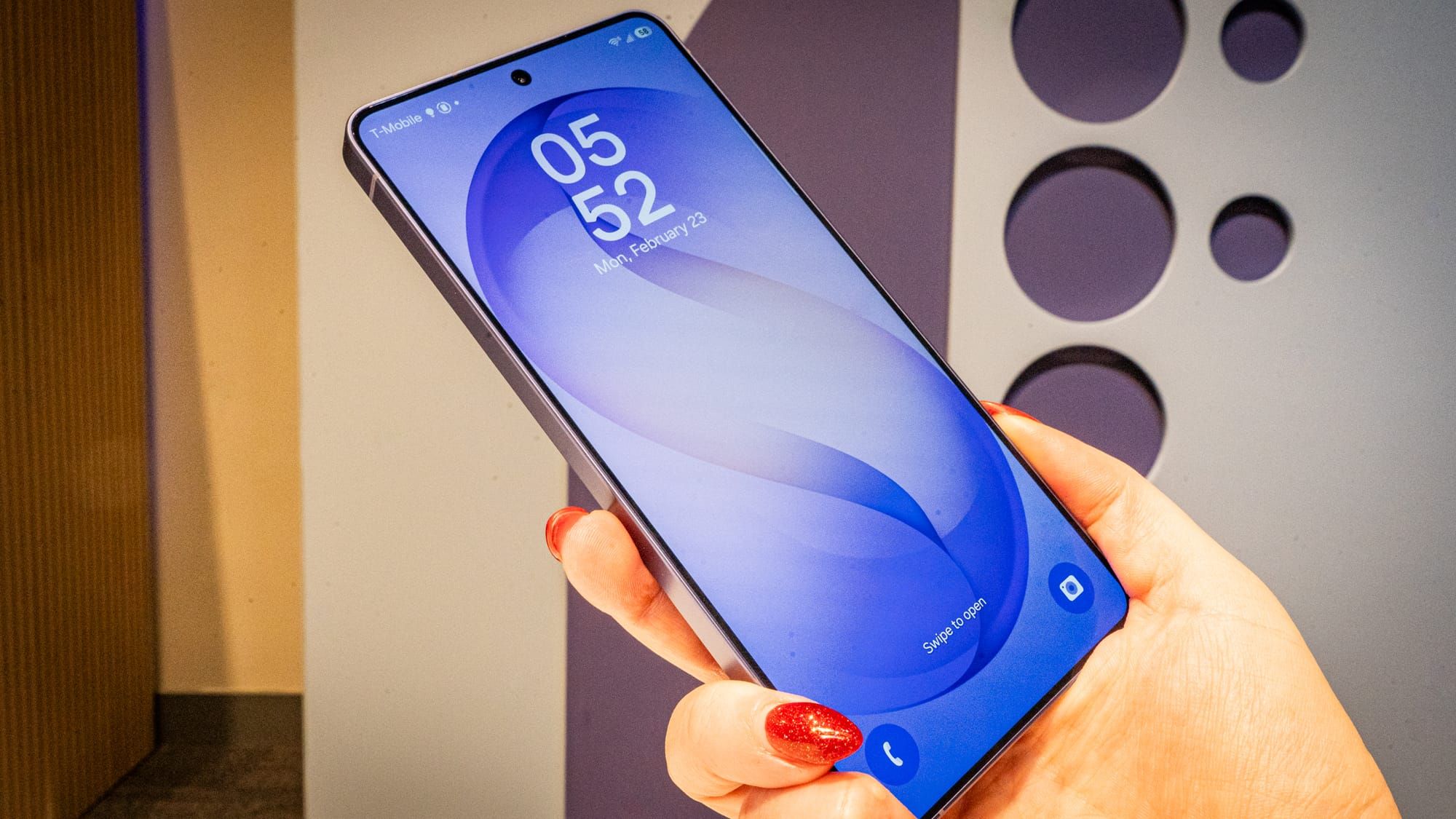
Samsung's newest family of flagships has been officially revealed and is available for pre-order today. The lineup includes the pocketable Galaxy S26, a slightly larger variant with faster wireless charging, the Galaxy S26+, and the ultimate variant, the Galaxy S26 Ultra, which offers the best night photography capabilities ever on an Ultra device. The company announced all this and more on stage at its annual winter Unpacked event, which it livestreamed from San Francisco.
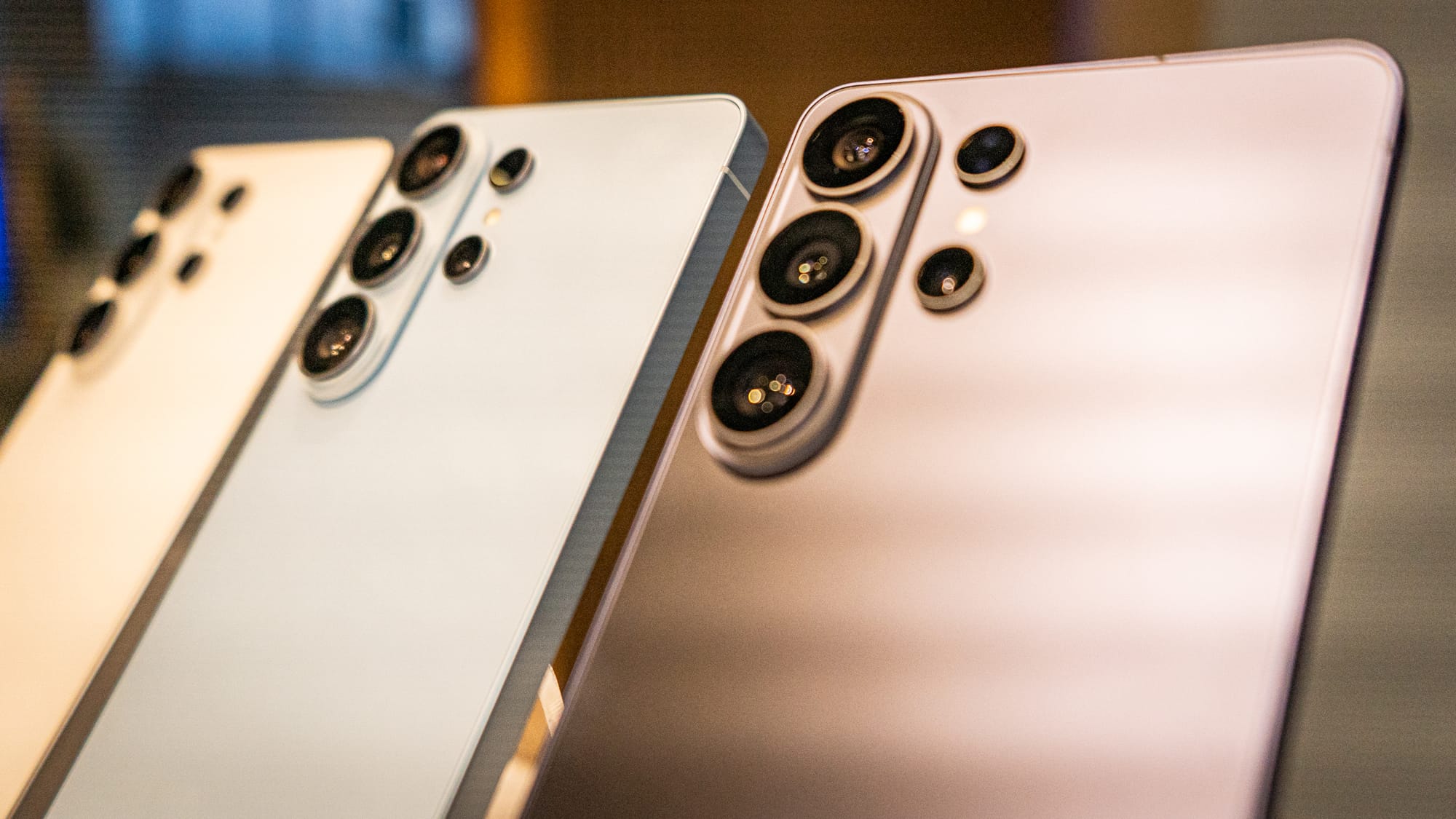
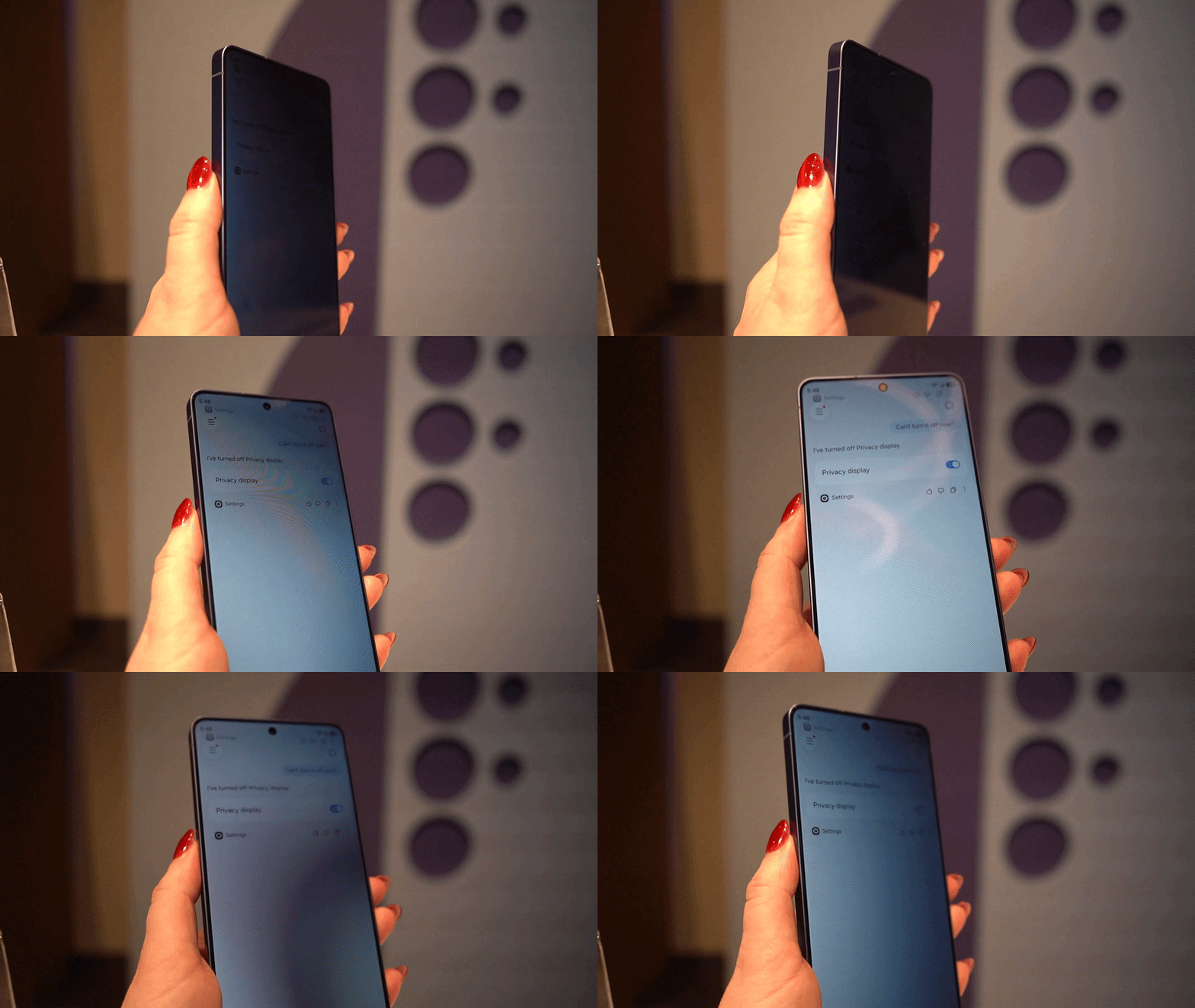
Samsung packs all that it wants to show off in its most expensive model, the Samsung Galaxy S26 Ultra. The Ultra is the one that you'd want if you're after all the bells and whistles, and it starts at $1,300. The device comes with a 6.9-inch Quad HD Super AMOLED display and debuts Samsung's new Privacy Display technology, available only on this model. The display uses pixel-level light dispersion control so that, when viewed at an angle, screen peekers can't see what's on the screen (aka, me on the transit, because I'm curious what you're all up to). The feature has two modes, partial and maximum protection, and it can be turned off and on at will.
All three models of the Galaxy S26 family run the Snapdragon 8 Elite Gen 5 for Galaxy chipset, though it's the Ultra that gets the biggest boost in performance. Samsung says the chassis has been redesigned with a larger vapor chamber to improve thermal cooling. The result is a 19% faster CPU, 39% faster NPU, and 24% GPU performance in the Galaxy S26 Ultra. The device starts with 12GB of RAM and 256GB of storage, though it's still available with up to 1TB of storage and 16GB of RAM if you're down to pay the higher starting price.
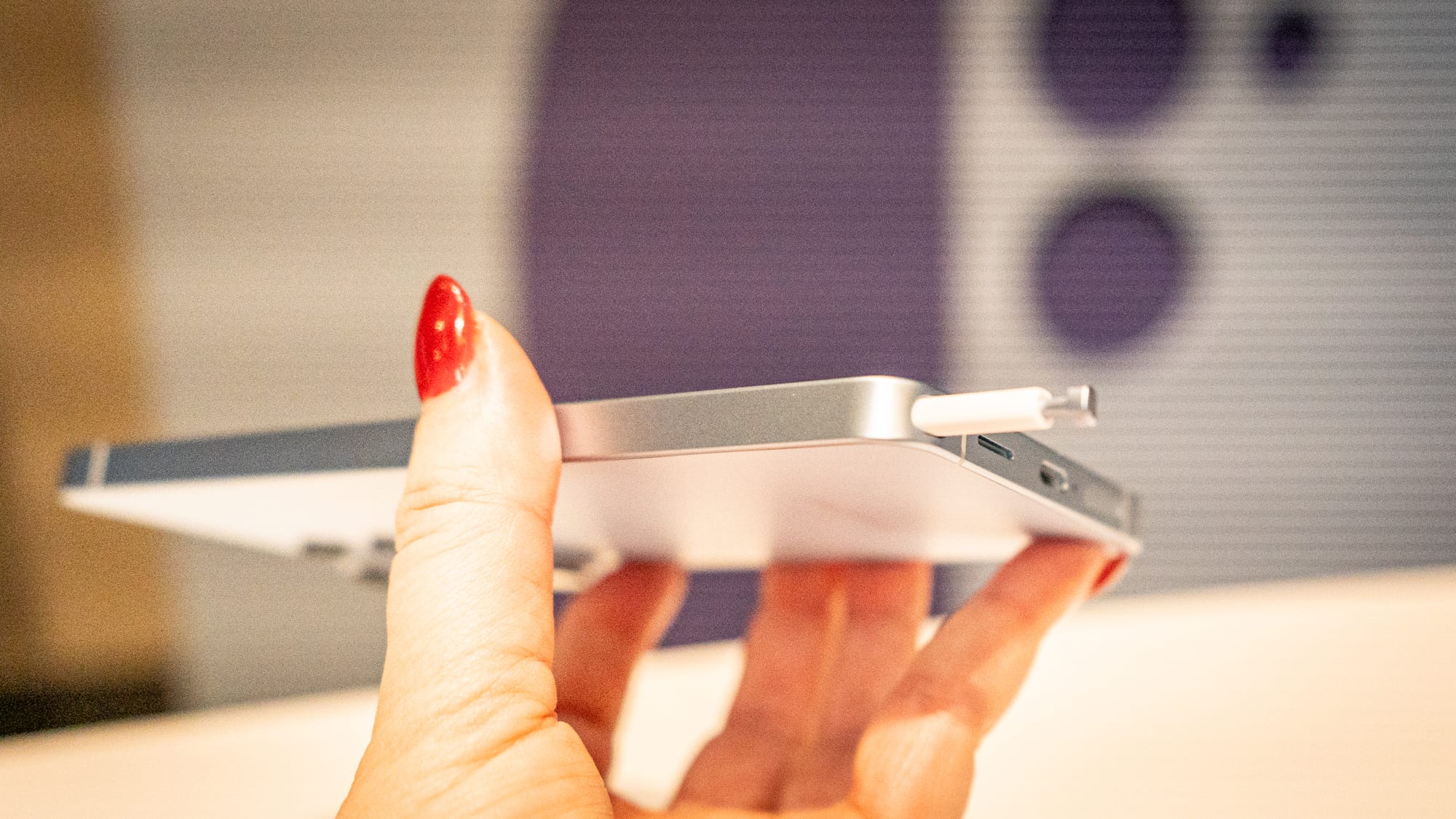
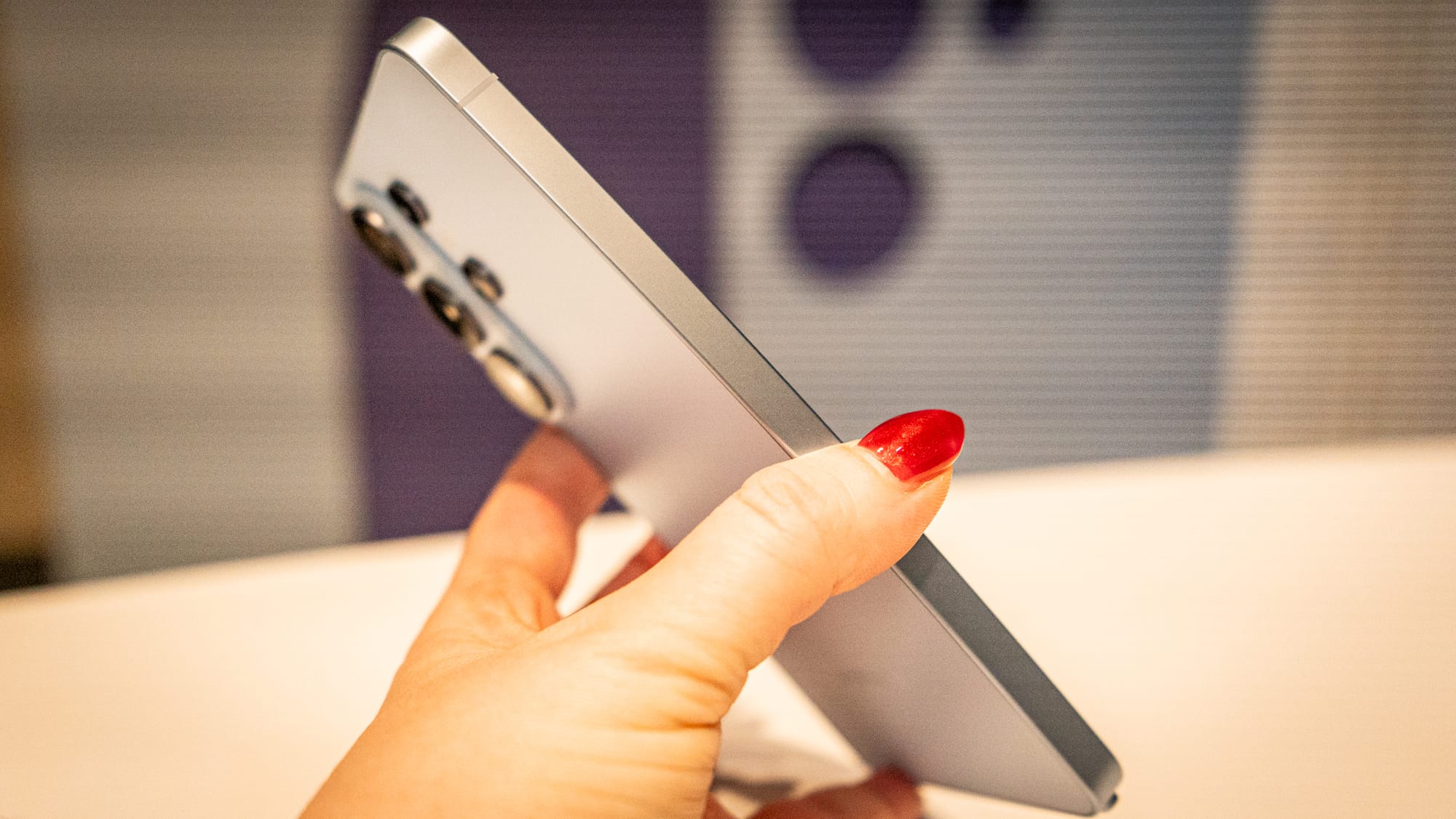
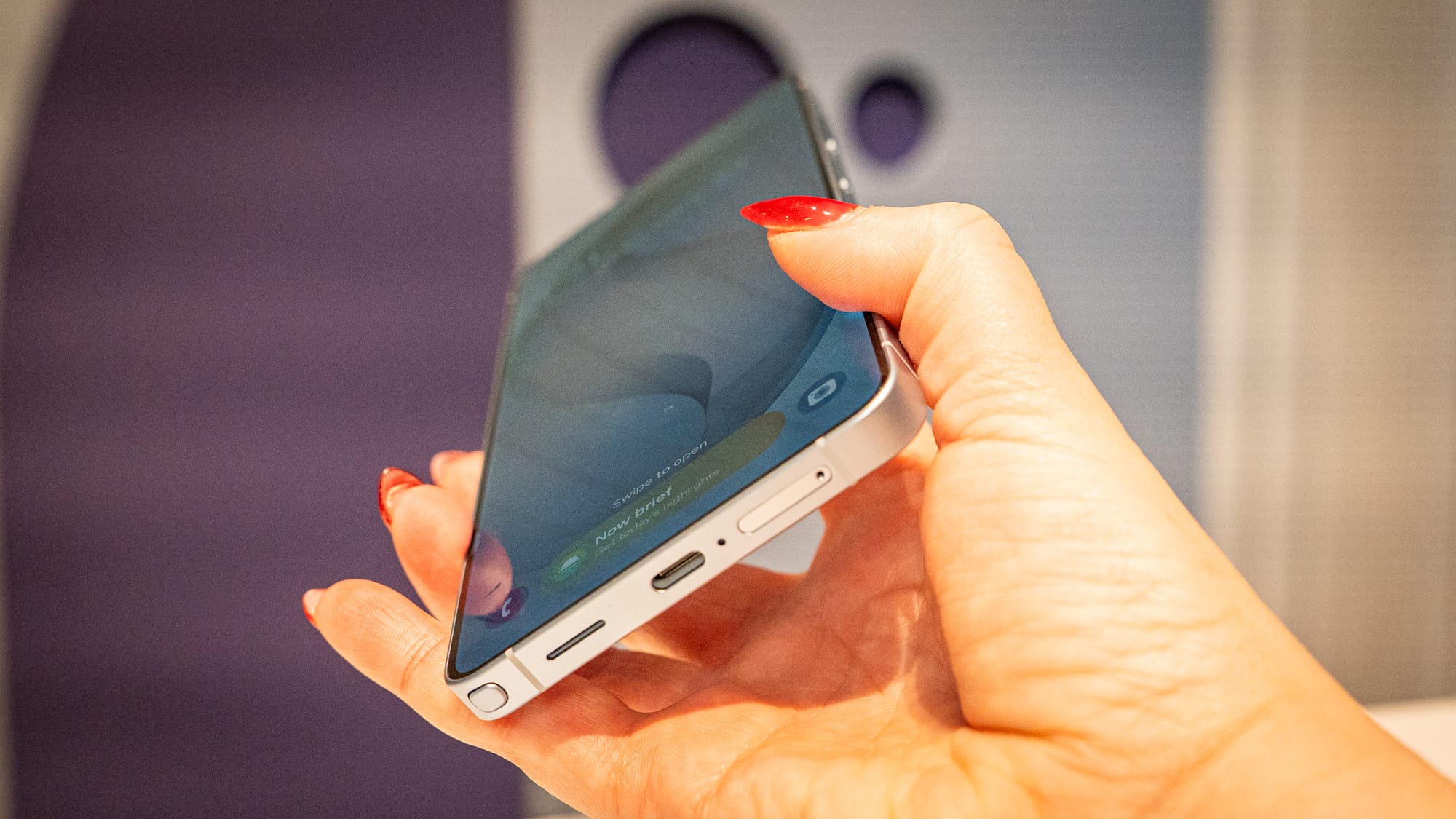
The Galaxy S26 Ultra in three angles. And yes, the S Pen is still there.
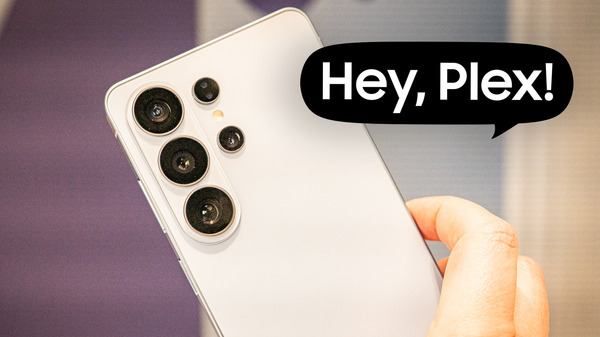
The cameras on the Galaxy S26 Ultra have improved drastically, particularly in low-light conditions. There are still four cameras on Samsung's "everything you want and more" flagship. They include a primary 200-MP main camera, a 50-MP ultrawide camera, a 10-MP camera with 3x optical zoom, and a secondary 50-MP telephoto sensor with up to 5x optical zoom and 10x "optical-quality" zoom, which means it's cropped and cleaned up with AI. The primary camera has an f/1.4 aperture, up from the f/1.7 maximum on last year's Galaxy S25 Ultra. That's even higher than the Google Pixel 10 Pro's primary camera, which is around f/1.6.
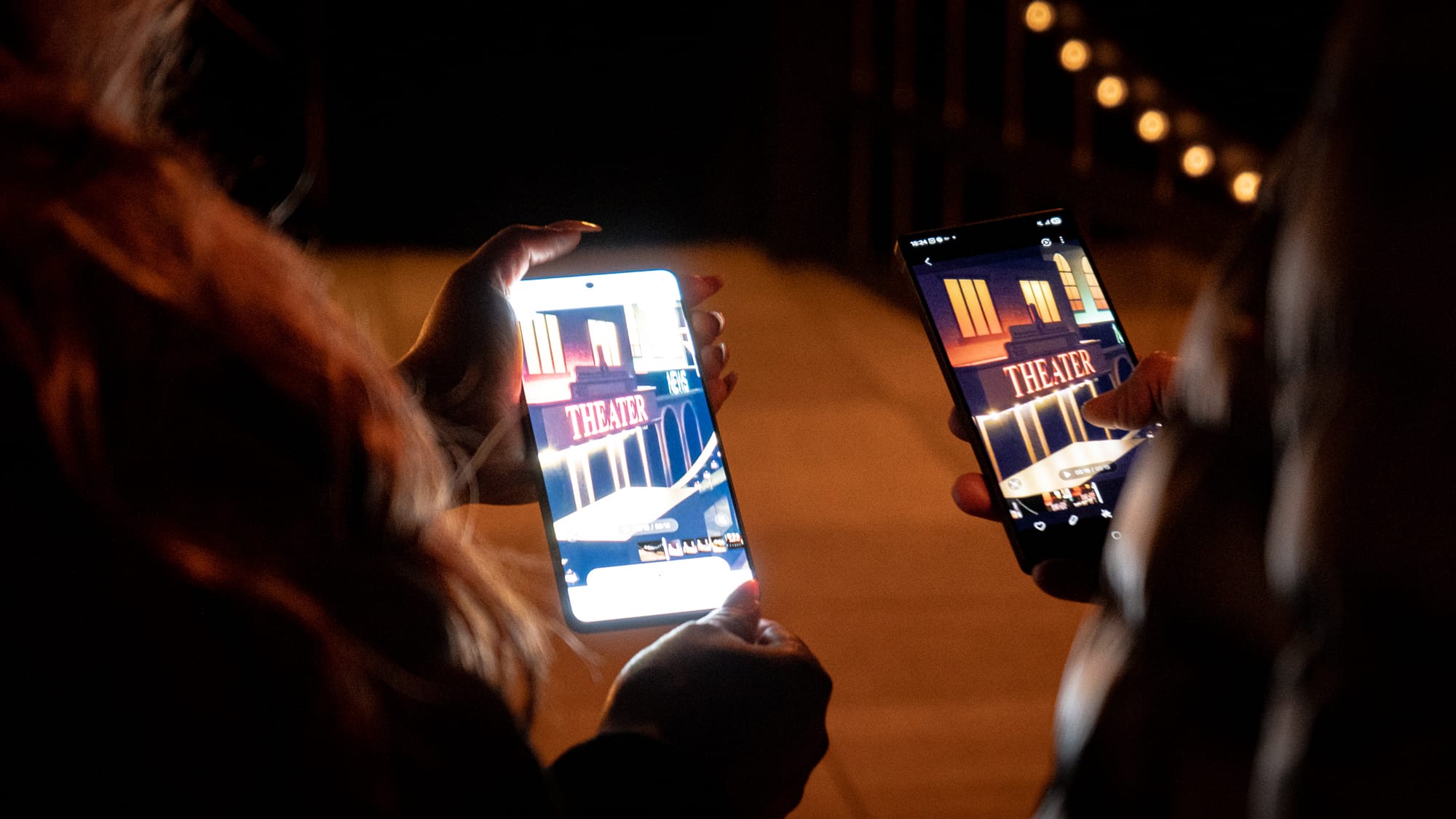
The Galaxy S26 Ultra still ships with a 5,000mAh battery, though it now supports Super Fast Charging 3.0, the company's fast-charging technology. This has a maximum wired charging speed of 60W and a wireless charging speed of up to 25W. While there are no magnets, you can buy a myriad of first-party cases and accessories that offer the same charging speeds.
The Samsung Galaxy S26 Ultra is available in four colors, including its marquee Cobalt Violet, white, black, and a pretty, pearlescent sky blue. There are also two exclusive colors coming to the official Samsung online store, though we didn't get a chance to check them out. The device ships with 256GB, 512GB, and 1TB of storage. It has Android 16 and Samsung's One UI 8.5 right out of the box. The company continues to honor its seven-year commitment to operating system and security updates, making this a device you could hold on to for a while. Indeed, even Samsung said at its briefing that it considered the Galaxy S26 Ultra the "upgrade" for those coming from a Galaxy S22/S23 Ultra. Is that you?
For everyone else, there's the regular Galaxy S26 and Galaxy S26+. Like the last generation, these two devices are equipped with the minimum premium features you need to be a successful Samsung user without paying for some of the bleeding-edge abilities in the Ultra package. Also, the S Pen is not included here.
The Galaxy S26 is the smaller of the two "average Joe" devices. (I'm giving everything a moniker today, bear with me!) Actually, Samsung bumped the display a tiny bit to 6.3 inches FHD+. If you want a full, higher-quality resolution, the Galaxy S26+ has a larger 6.7-inch display with QHD+. Both devices run the same Snapdragon architecture as the Ultra, are available in 256GB and 512GB capacities, and top out with 12GB of RAM.
The camera hardware remains the same across the two devices. Though they've been bumped up to 8K video recording, they don't have the same kind of oomph upgrade that the Galaxy S26 Ultra offers in nightography. The Galaxy S26/S26+ both have a 50-MP primary camera, 12-MP ultrawide camera, and 10-MP telephoto camera with 3x optical zoom. There's also a 12-MP front-facing camera.
The battery varies slightly between the two devices, and they don't charge as quickly as the Galaxy S26 Ultra. The Galaxy S26 has a smaller pack at 4,300mAh with maximum 45W wired charging and 15W wireless charging. The Galaxy S26+ has the larger 4,900mAh battery with maximum 45W wired charging and 20W wireless charging.
The two devices have the same software update promise as their Ultra counterpart. The Galaxy S26 starts at $900, and the Galaxy S26+ starts at $1,100. Both devices are now available for pre-order, along with the Galaxy S26 Ultra. They'll be on sale everywhere on March 11.
I didn't get to spend as much time on Samsung's improved Galaxy AI features as I'd originally hoped. One of the newest abilities is called Now Nudge, though it exists wholly within the Samsung Keyboard app. The idea is that Galaxy AI can read into the context of your messages, wherever you're typing, and sprout up with helpful links to things like your calendar or another contact card. It works in theory, but it means you'll have to stick with Samsung's app if you want particular access to this feature.
Samsung and Google also partnered up for this launch to introduce new abilities to Circle to Search, arguably one of the best new features to come to the Android operating system since the Gemini takeover. Circle to Search now does multi-object recognition, which Samsung and Google encourage you to use for shopping for new looks as you're and it's debuting first with the Galaxy S26 series (and the Pixel 10 series).
,