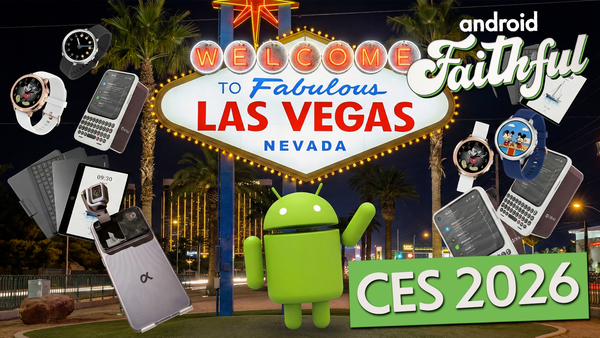
Here are the announcements most relevant to the platform's faithful.

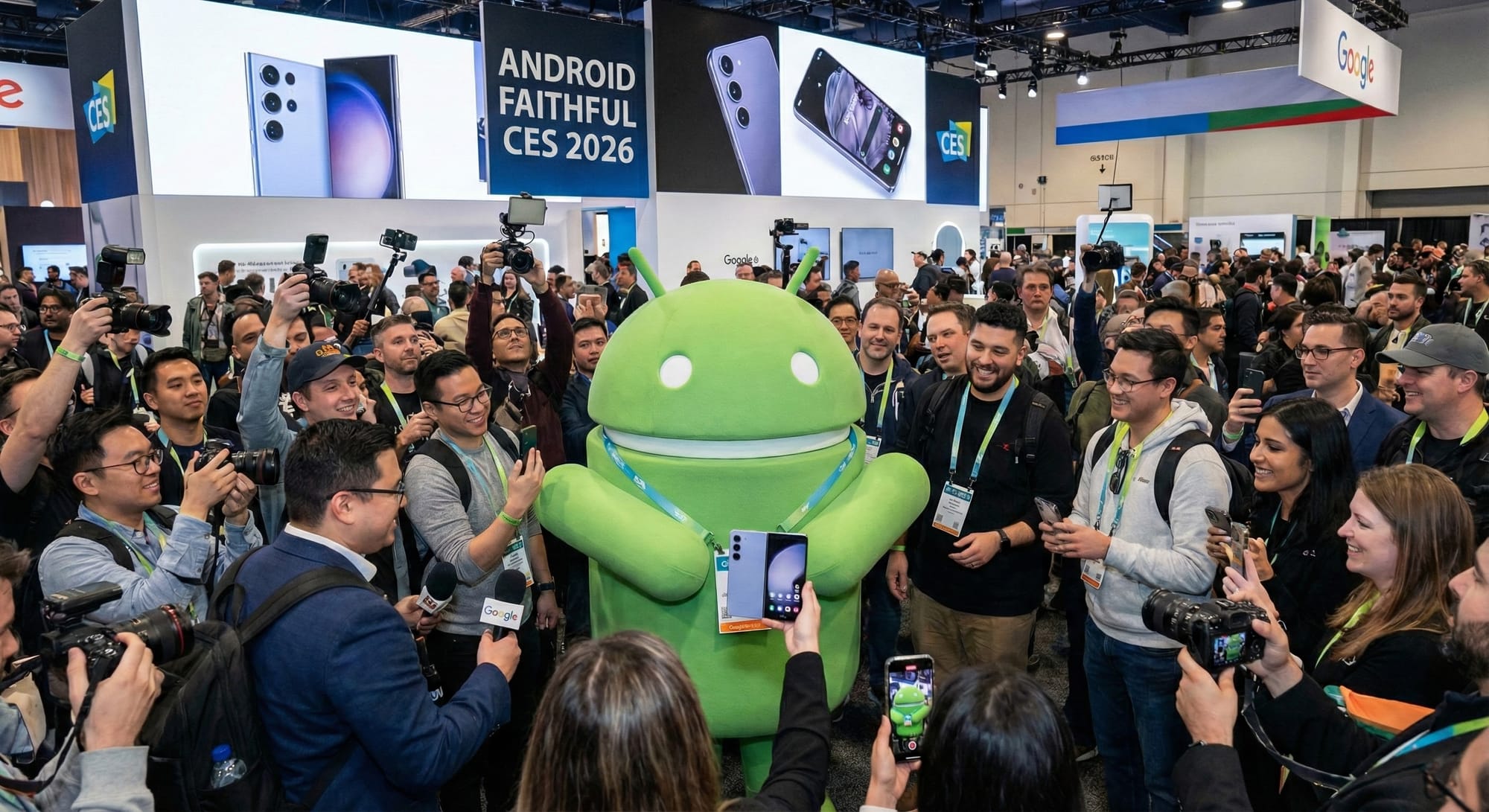
CES, the Consumer Electronics Show, arrives annually, bringing two things: the inevitable "CES flu" that claims some of our best journalists in pursuit of what's new, and a deluge of gadgets that don't work as well as advertised. The year 2026 is already punctuated by heavy insistence on putting AI in everything, from the smart toilets that analyze your pee to the Grok-powered waifu on your desk (that's a real one, courtesy of Razer's Project Ava). Power banks are getting bloated with features no one asked for, and there's an alarming prevalence of articulated limbs from robots designed to teach you dance moves to those that clean the house.
But while that's all well and good, this is Android Faithful. It stands to reason that we'd only cover the things that matter to you, the people carrying the Android flag. Forget the laptops, the pee tests, and the dancing robots. Here are the stories you need to know from CES 2026.
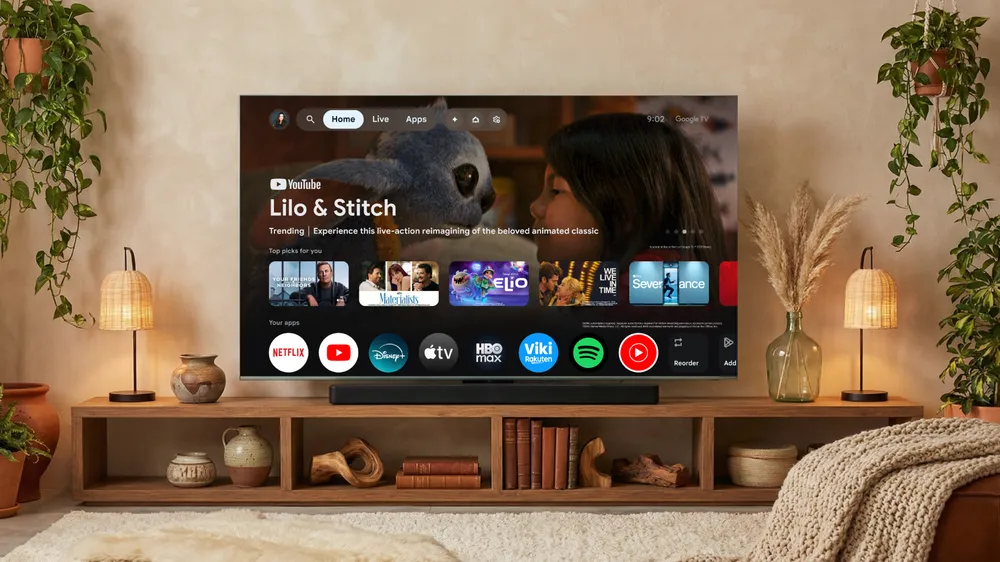
We'd be remiss not to start this roundup with the Android maker itself. At CES, Google announced more Gemini infusion coming to Google TV. While this update doesn't change the smartphone in your hand, it effectively ports some of Gemini's best features directly to the biggest screen in your house.
New features include the ability to explore topics with Gemini through your TV using a new "visually rich" interface, without the fully expanded answer you'd normally get from the chatbot. For more complex questions, Deep Dives is available to guide a roomful of people through a query together.
Gemini is also getting deep access to your Google Photos library on Google TV. You can use natural language to search for specific people and moments directly on TV. If you get the hankering to, uh, delete a person from the background, for example, you can use generative models like Nano Banana for images and Veo for video.
Select TVs will also begin rolling out this year with hardware that supports natural-language control of hardware settings. Phrases like "the screen is too dim!" and "where's the dialogue?" can prompt Gemini to adjust the settings and captions automatically.
If last month's spontaneous Android XR news was the flirtatious first date, then today marks the moment the two companies finally exchanged keys. It's moving so fast, but when you know, you know. Google and XREAL are in it for the long haul. The happy couple has committed themselves to a multi-year partnership, promising to work side-by-side to achieve relational harmony and the proliferation of Android's extended reality platform.
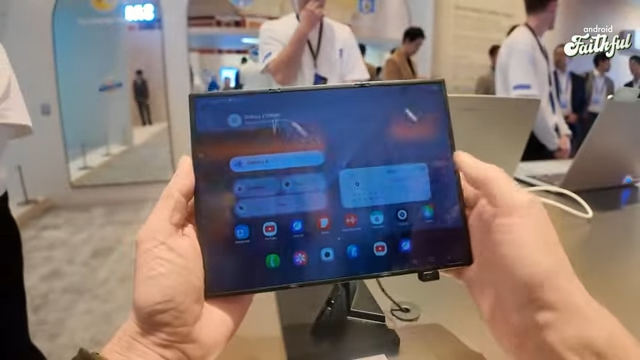
You know how male peacocks walk around strutting their stuff? Samsung picked CES 2026 to spread its foldable plumage. Select press had a chance to go into a guarded backroom to inspect the mechanics of Samsung's Galaxy TriFold. The consensus so far? As Engadget put it, "flexing is believing." The device effectively adds a third panel to the existing formula, turning the phone into a tablet-sized canvas that folds twice over.
Samsung also used the show to tease its first creaseless foldable OLED panel. Enthusiasts have spent years complaining about the "ditch" that defines devices like the Z Fold, and Samsung is finally ready to silence the critics. There's no word on whether this will be in use in an upcoming foldable, but CES attendees will be the first to witness the alleged seamlessness.
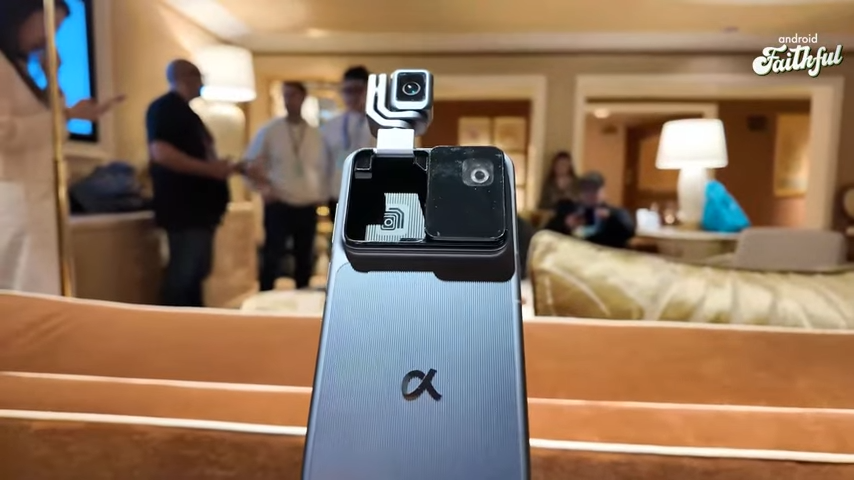
While everyone else is putting AI into software, Honor decided instead to infuse it into an articulated limb. The company used CES 2026 to showcase a "Robot Phone" concept with a camera that physically pops out of the back housing via a motorized, three-axis gimbal. It's like a baby DJI Osmo Pocket was surgically implanted on one of Honor's flagship devices. Jason will have a closer look at it.
The camera can track you around the room for video calls or stabilize handheld footage. It can even flip around to serve as one of the most over-engineered selfie cameras. Is it practical? Not yet. We saw what happened when OnePlus put mechanical parts in its smartphones. But in a sea of boring glass slabs and another device trying to revive the BlackBerry, this is exactly the kind of unhinged, gimmick-filled innovation we love to see at CES.
Okay, it's not technically a BlackBerry, but it's the closest we've gotten to the glory days of 2009 without major downsides. Clicks has finally announced its Power keyboard for Android users. The model is designed specifically for the Pixel 9 Pro and Galaxy S25 Ultra. It features the same satisfying tactile keys people like about the Clicks, but with deeper Android integration, including a button for Gemini.
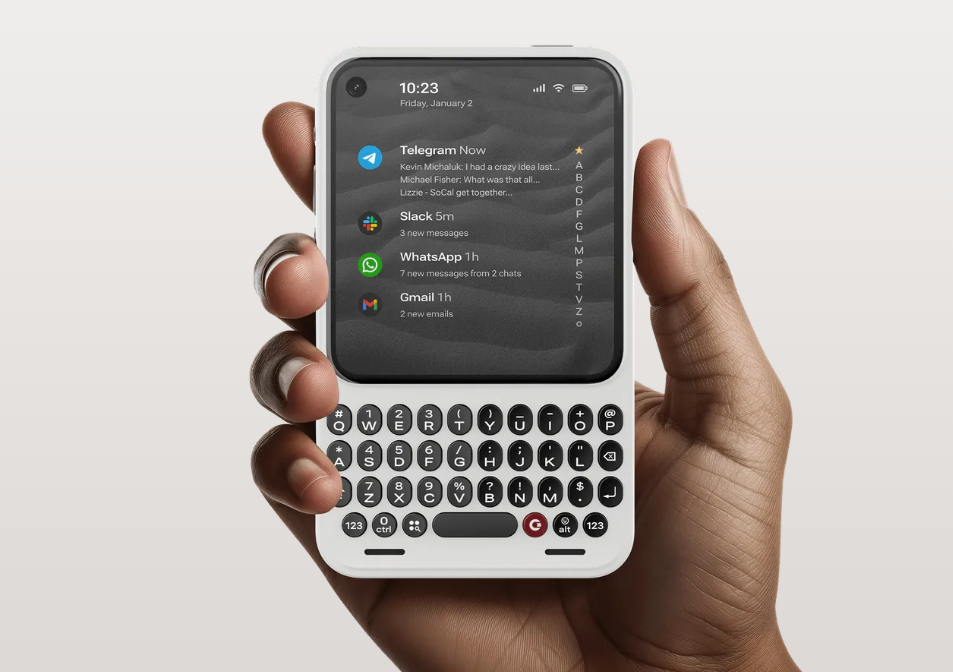
And don't forget the Clicks Communicator. It's a companion device for "doing, not doomscrolling." The phone has a 4-inch OLED screen and runs a custom version of the minimalist Niagara Launcher—one of my favorites—so you stay focused on what's essential. The Communicator is also a bit of a love letter to the features we've lost in the smartphone wars: a 3.5mm headphone jack, a microSD slot for expanded storage, and a customizable notification LED that harkens back to Android days of yore. I miss those days!
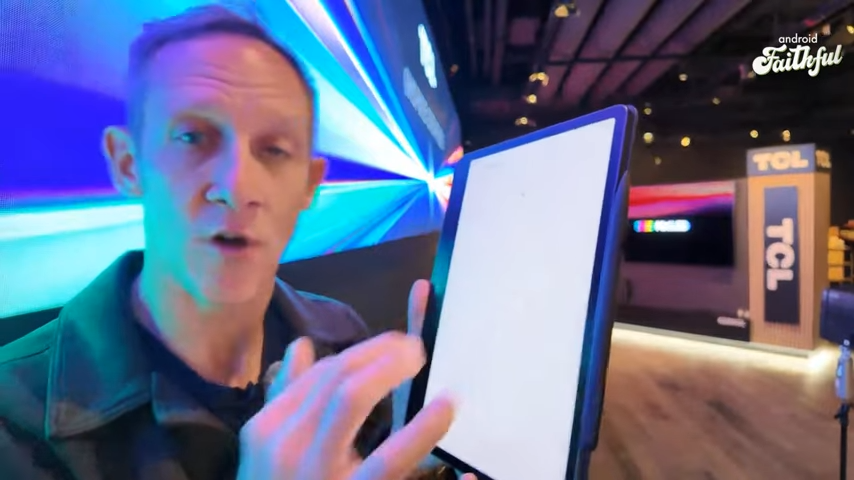
While Samsung chases folding displays and Google chases AI, TCL continues to chase people who just want to read a damn book. The company announced the TCL Nxtpaper 70 Pro, the latest iteration of its matte-screen smartphone that feels more like a rival to the Amazon Kindle than any other Android phone.
The NXTPAPER Key has so much helpful stuff, including a dedicated physical slider that toggles the phone between three modes: color paper (normal use), ink paper (desaturated), and max ink mode, which goes fully monochrome to extend the battery life up to seven full days of reading.
If Clicks is reviving the BlackBerry-style smartphone keyboard, then Pebble is here to bring circular smartwatches with battery back to the forefront. Pebble Round 2 had its own unveiling at CES. It's exactly the spiritual successor to the 2015 Time Round. And it fixes two of the biggest issues from the first-round watch: battery life and the bezel. The "flat tire" bezel is gone, replaced instead with a 1.3-inch edge-to-edge color e-paper display. And the battery promises up to two weeks on a full charge.
Smartphone accessories seemed all the rage this CES—the only thing to rage about, really. The 8Bitdo Flip Pad is a portable controller that mimics the button layout on an old-school Game Boy. It's by 8bitdo, a company that is known for aftermarket game controllers, and the initial impressions are favorable. Unfortunately, we'll have to wait until the summer to try it out.
Infinix, which previously made headlines for its color-changing smartphone chassis, announced a device with always-on satellite communication. It is capable of 4 kbps transmission, so it can support HD calls and short messages. The Infinix Note 60 will be the first mobile device to show off the technology.
Here's another one for the gamers out there desperate to turn the smartphone into a handheld console of yore. The MCON controller is a magnetic gaming controller you can pre-order if you're willing to spend a bit more. It's a little pricier than, say, a Razer Kishi. But as outlets have noted, the controller's major selling point is that it was designed to be moddable, upgradable, and repairable.
Updated January 9, 2026